África
América
Asia
Europa
Oceanía
Llámanos gratuitamente
De Lunes a Viernes de 10am a 9pm, Sábado de 10am a 6pm

Events and festivals in
Croacia
Fiestas populares en Croacia
Las tradiciones religiosas están muy arraigadas en Croacia, donde muchas de sus festividades están relacionadas con la iglesia. La Navidad da comienzo a su calendario de celebraciones anuales, en el que también hay lugar para la Semana Santa y Pascua, que se viven con fervor en varias de las localidades del país.
Una de sus festividades religiosas más populares es la que se celebra en la isla de Hvar y cuya procesión de Za Krizen ha sido declarada recientemente por la Unesco como patrimonio inmaterial de la humanidad.
Como fiesta pagana cabe destacar el Carnaval de Rijeka, el tercero más importante del mundo al que acuden miles de participantes. Por su parte, la considerada como la joya del Adriático, Dubrovnik, cuenta con los mejores eventos culturales del país como su Summer Festival o el Dubrovnik Film Festival.
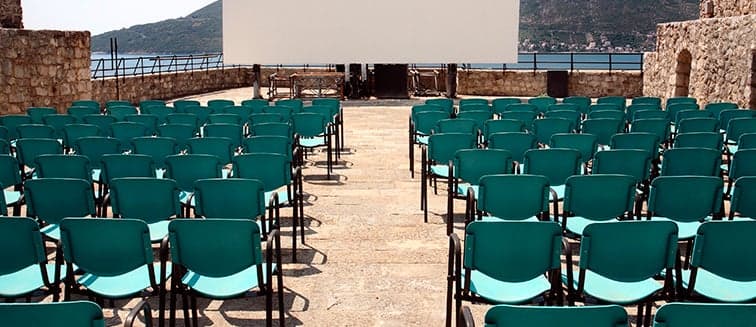
Dubrovnik International Film Festival
This film festival is the most important in Croatia. It is celebrated in the city of Dubrovnik, where for four days works of independent filmmakers are broadcast, both from the country itself and from other countries of the world. It awards prizes to young directors and serves as a showcase for many of them to make themselves known.
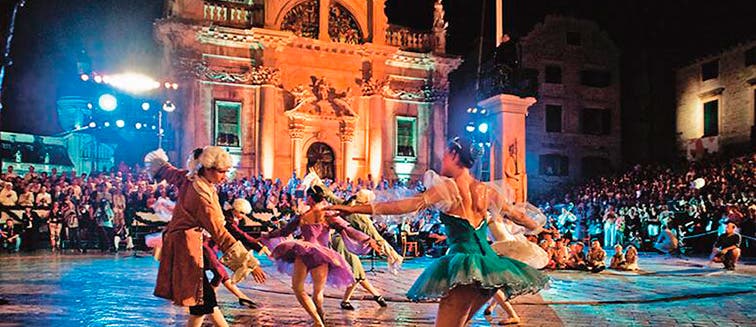
Dubrovnik Summer Festival
Since 1950, Dubrovnik has celebrated this traditional Summer Festival that brings together music concerts of different styles, plays and dance performances. In total, more than 70 stages are set up, and artists from all over the world have participated in recent years. Many of the events are outdoors, taking advantage of the good summer weather, and the event is free.
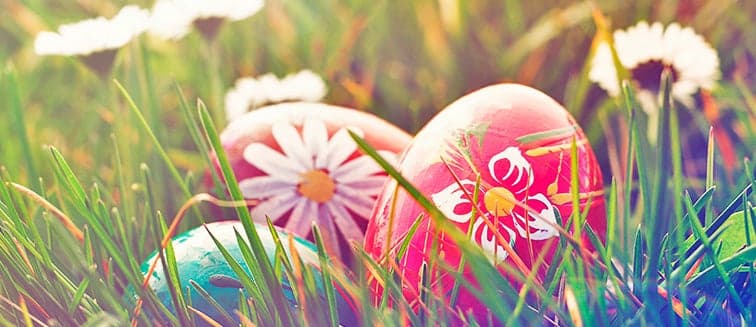
Easter Week
As a Catholic country, Croatia also celebrates Holy Week with processions and a plethora of religious events. During Easter, the most common symbol is painted eggs, so in many of the towns and cities of the country, you can see flea markets with these objects or workshops where children adorn their own egg shells. On the first Sunday after Easter, in Medjimurje, the young people exchange painted eggs as a symbol of friendship and twinning.
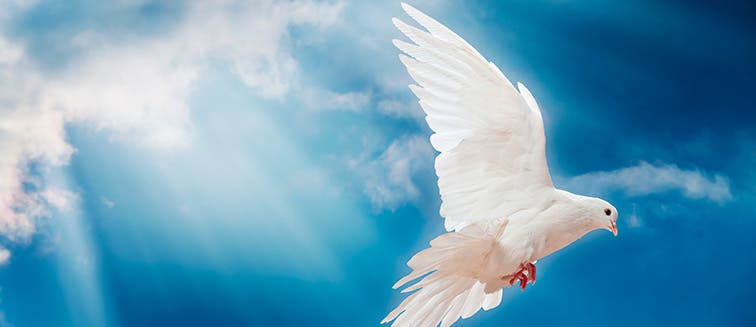
Festival of St. Blaise
This religious festival has been celebrated in Dubrovnik since the year 971. The figure of St. Blaise is consecrated, who is said to have saved the city from the Venetian invasion. The day before is the feast of the Virgen de la Candelaria, when white doves are released, while February 3rd is when the procession itself is enjoyed.

Rijeka Carnival
For almost a month the Croatian city of Rijeka, located in the Kvarner region, is filled with colourful costumes and festivities. It is considered the third largest Carnival in the world since more than ten thousand people from all over the world participate in its parade. During the opening ceremony, the queen of the festivities is crowned and the keys of the city are handed over. There are also fancy dress and fireworks contests.
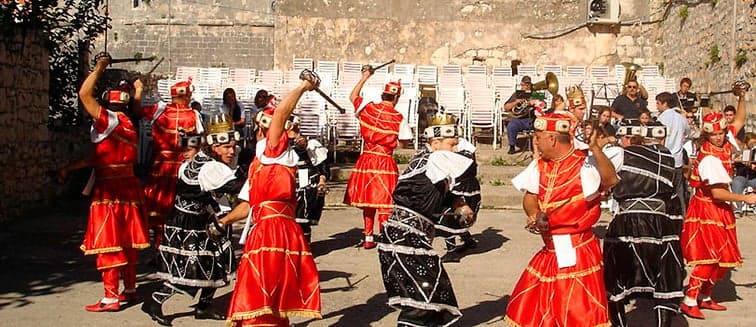
Show of Swords
This famed show is celebrated on the island of Korcula at the end of July. It recreates the struggle, by its inhabitants, against the Arab invasion, so a traditional sword dance is performed in which two kings are represented, one dressed in white and one in black representing good and evil. Both fight for the freedom and love of a woman.
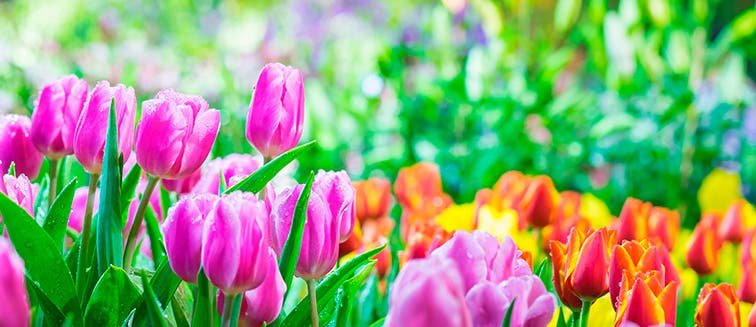
St. George's Day
On the day of St. George several localities of Croatia take the opportunity to welcome Spring. Farmers decorate their cattle with flower crowns to scare away the evil spirits and in the cities, colourful parades are organized in which traditional songs and dancing take place.
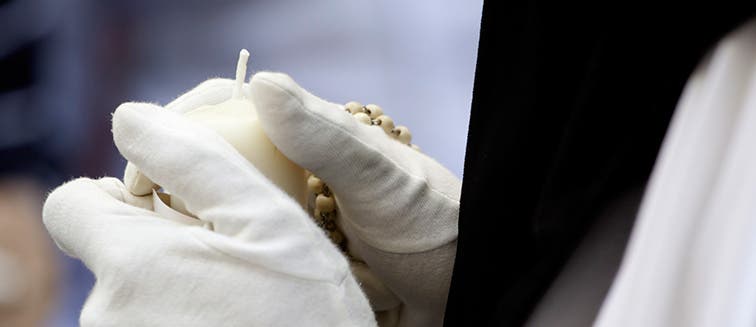
Za Krizen Procession
Declared by UNESCO as an Intangible Heritage of Humanity, the procession of Za Krizen is the largest holiday on the island of Hvar. Several groups of neighbours walk 25 kilometres through the different towns on the island carrying a cross. Other members of the procession carry candelabras, candles and lanterns and sing the Lament of the Virgin Mary. In each of the towns, they receive the blessing of their parish priests until they return to their initial point.

